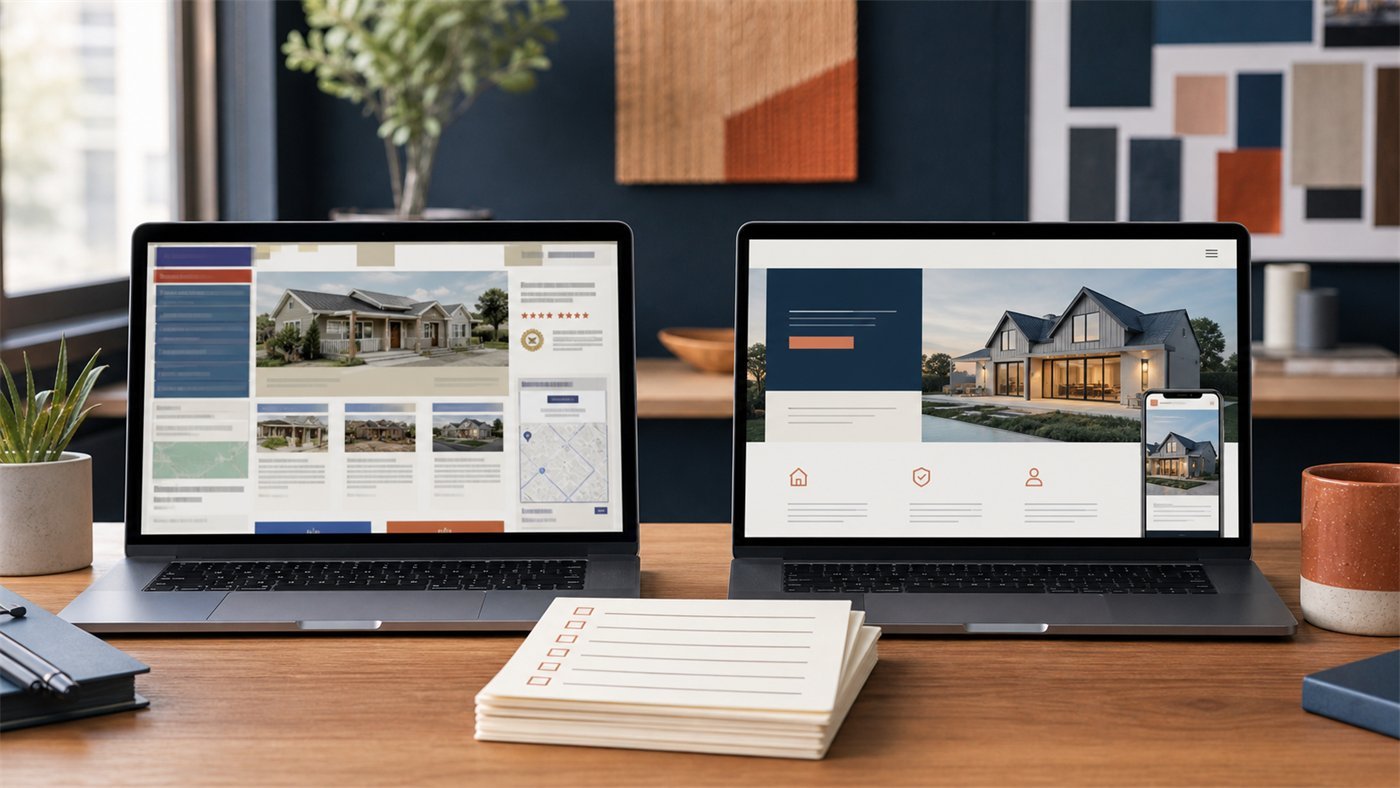
How Sydney Multi-Location Businesses Should Structure Their Website
A practical website structure for Sydney businesses with multiple offices, service areas or teams—without duplicate location pages or confusing enquiry paths.

Article guide On this page
A Sydney business with several offices, teams or service areas has a useful advantage: it can help customers locally while sharing one trusted brand. The website should make that advantage clear. Too often, every visitor lands on the same general page, or the site contains many location pages that repeat the same paragraphs with a suburb name changed.
A better structure helps customers choose the right service and location while giving each page a distinct job.
Start with the operating model, not a list of keywords
Document each genuine location before planning pages. Record the address, staffed hours, services, customer types, team, contact details and realistic coverage. If two offices provide exactly the same service, their pages can still be useful when they contain accurate staff, access, contact and local customer information. If there is no real operational difference, a separate page may not be necessary.
Google's Business Profile guidelines require accurate real-world locations. Virtual offices are not eligible unless they meet Google's stated staffing, signage and customer-access requirements. The website should reinforce real operations rather than manufacture a local footprint.
Choose a hierarchy customers can predict
For many businesses, the clearest hierarchy is:
Homepage: the overall proposition and primary customer routes.
Service pages: what each service solves, the process, proof and next step.
Location index: a simple comparison of genuine offices or service regions.
Location pages: address, staff, available services, access, local proof and contact options.
Case studies and guidance: evidence and answers connected to the relevant service.
A visitor should be able to move from service to location or from location to service without returning to a search engine.
Give each office page original decision value
An office page is not made unique by mentioning nearby suburbs. Useful differences can include the services delivered there, specialist staff, accessibility, parking or transport, opening hours, appointment methods, facilities, approved projects and location-specific contact details.
If those details do not exist, keep the page concise rather than padding it with generic local history. Sydney's scale does not justify content that the business cannot support.
Handle service areas honestly
A mobile business may travel to customers without receiving them at its address. Google says a service-area business should use one profile for the area it serves and should hide an address where customers are not received. Its service-area guidance also recommends specifying realistic cities or postcodes rather than an arbitrary radius.
The website can explain where the team travels, typical response areas and any service limitations. It should not present a serviced suburb as if it were a staffed office.
Route enquiries without making the form complicated
Ask the visitor to choose a service or location only when that choice changes who should respond. Preselect the location when someone starts from an office page. Keep the remaining fields focused on what the team needs for the first reply, and show what happens after submission.
Use location-specific phone numbers or booking links only when they reach the relevant team. Otherwise, one central contact route may be clearer.
Connect Business Profiles to the correct landing pages
Google's business-link policies say multi-location action links should lead to a page for the specific location. That page should confirm the address, service and action instead of redirecting visitors to a general homepage.
Keep names, addresses, telephone numbers, hours and URLs consistent between the website and each legitimate profile. Consistency helps customers recognise the official information and reduces support issues.
Prevent duplicate content before publishing
Create a content brief for each page that lists its unique purpose, evidence and primary action. Compare the drafts side by side. Repeated company facts can remain consistent, but introductions, local details, proof and FAQs should reflect the actual location.
Do not publish a location page until it answers a question the general service page cannot answer. This keeps the site smaller, clearer and easier to maintain.
Measure by location and service
Track which page introduced the visitor, which service or office they selected and whether the enquiry became qualified work. Review incorrect routing and unanswered questions. Those signals reveal where the hierarchy or content needs improvement.
Build one Sydney website, not a collection of disconnected microsites
A strong multi-location structure combines one brand, clear services and accurate local detail. Explore our Sydney website design service or the wider Australian web design approach. Stars Web Studio can prepare a free personalised homepage demo around your real locations and services.